New Employee Overtime Rules 2024 Lok
New Employee Overtime Rules 2024 Lok
Currently, the salary threshold for the highly. Section 13(a)(1) of the flsa exempts from the minimum wage and overtime pay.
The final rule introduces key changes: The overtime rules apply on a workweek basis, which consists of a fixed and regularly recurring period of 168 hours, regardless of which day and/or hour it began.
1, 2025—Gives Employers Options For Adjusting.
The rule will require employers to pay overtime premiums to salaried workers who earn less than $1,128 per week, or about $58,600 per year, when they work more than 40 hours in a week.
18, 2022, 11:10 Am Utc.
The overtime rules apply on a workweek basis, which consists of a fixed and regularly recurring period of 168 hours, regardless of which day and/or hour it began.
Images References :
 Source: www.pierceatwood.com
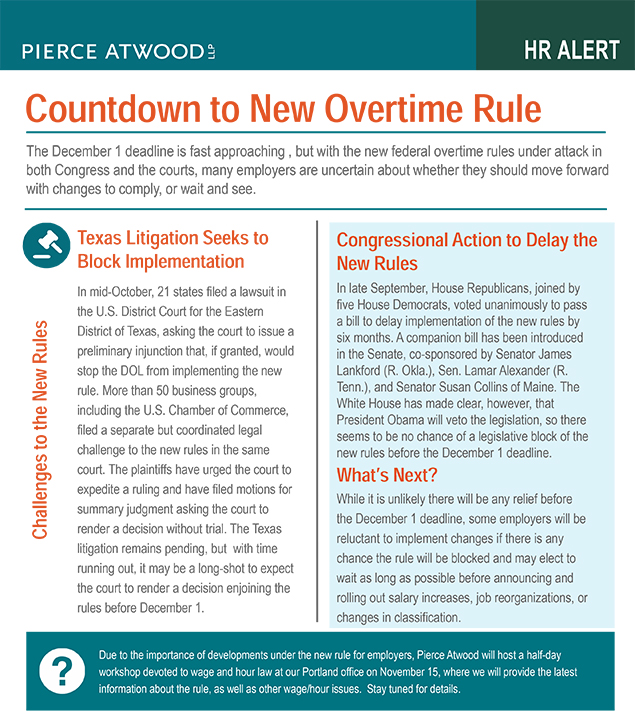
Countdown to New Overtime Rule Pierce Atwood, That’s up from the current ceiling of $35,568 a year. 1, 2025—gives employers options for adjusting.
 Source: gtm.com
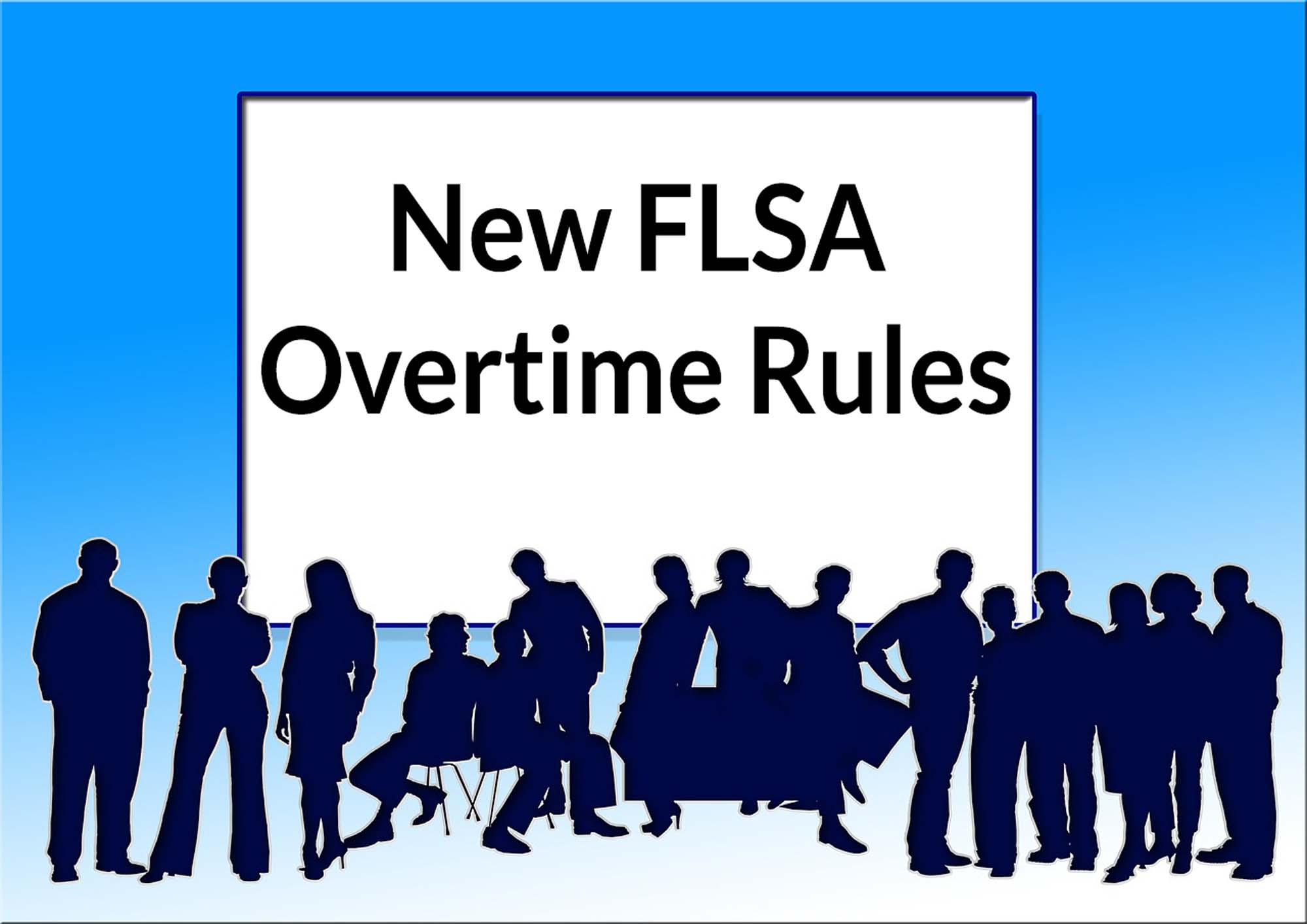
Informing Employees About the New Overtime Rules GTM Business, Highly compensated employees can also be exempt from the flsa’s overtime pay requirements. Nominee’s past shows dangers of new overtime rule.
 Source: www.youtube.com
New Overtime Rule What it means to employers and employees YouTube, Increased salary for white collar employees: If it does, employees with salary levels below the new minimum of $844 per.
 Source: www.replicon.com
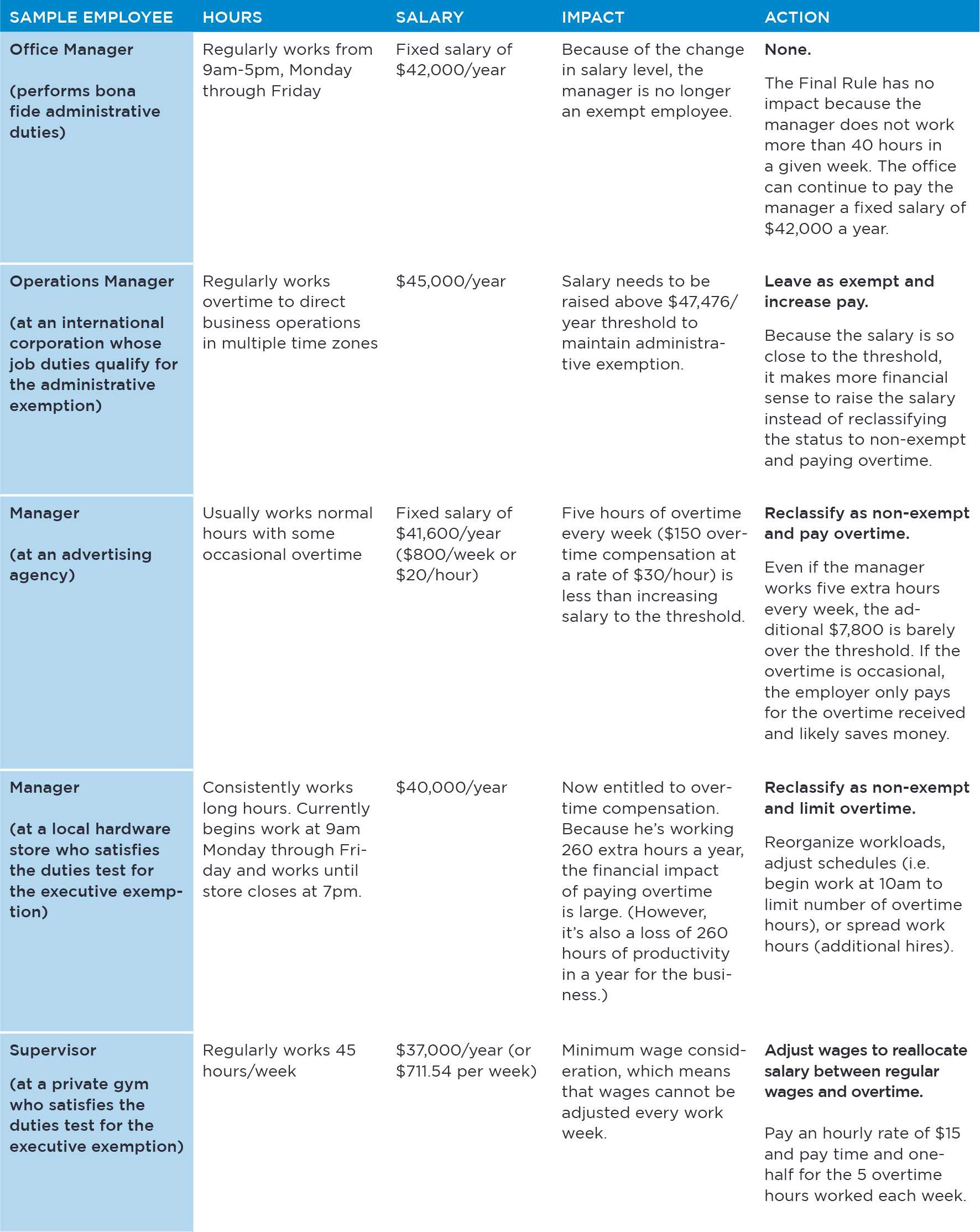
Survival Guide to the New Overtime Regulations Replicon, The new rule raises the hce salary threshold to $132,964 per year (including at least $844 per week paid on a salary or fee basis ) effective july 1, 2024 and then to $151,164 per year (including at least $1,128 per week paid on a salary or fee. Department of labor (dol) has announced changes to the fair labor standards act (flsa) overtime regulations.
 Source: imagetou.com
New Dol Overtime Rules 2024 Image to u, Currently, a salaried employee making $35,568 per year ($684 per week) or more is not eligible for overtime. The rule will require employers to pay overtime premiums to salaried workers who earn less than $1,128 per week, or about $58,600 per year, when they work more than 40 hours in a week.
 Source: www.template.net
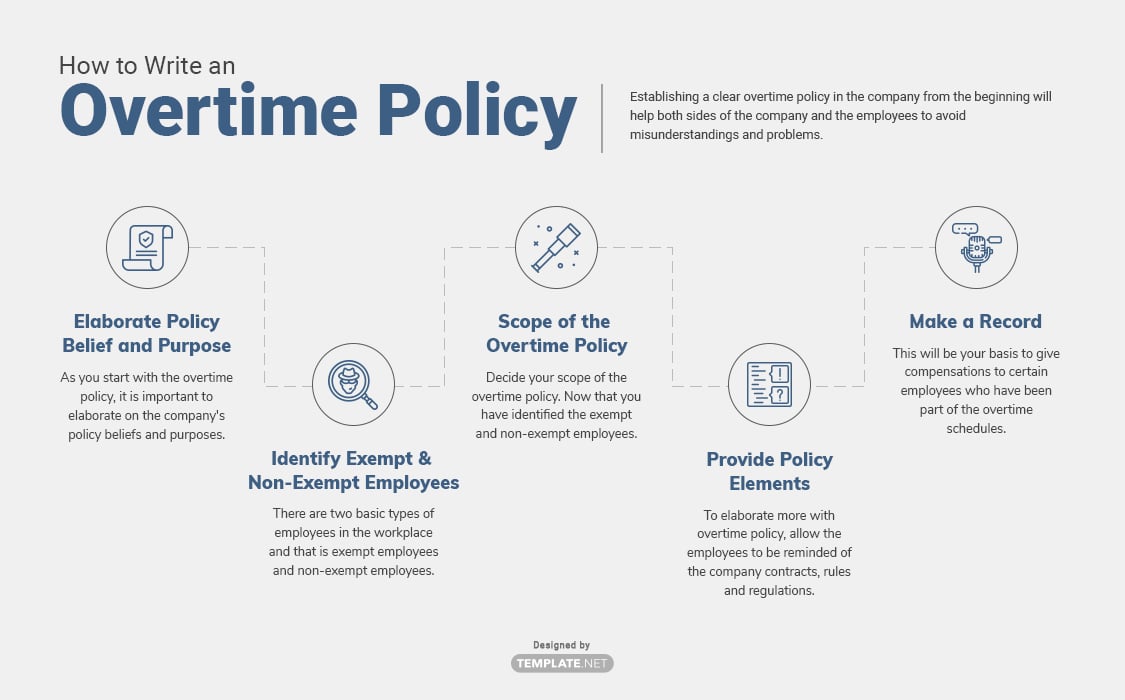
FREE Overtime Policy Template Download in Word, Google Docs, PDF, A us labor department rule to expand overtime protections to millions more. 1, 2025, most salaried workers who make less than $1,128 per week will become eligible for overtime pay.
 Source: www.slideshare.net
Source: www.slideshare.net
New Overtime Rules Issued What it Means for You, Department of labor today announced a notice of proposed rulemaking that would restore and extend overtime protections to 3.6 million salaried workers.the proposed rule would guarantee overtime pay for most salaried. This will go into effect on july 1, 2024, and will affect many workers across the united states.
 Source: www.pinterest.com
New overtime rules impacting employers and workers take effect later, A us labor department rule to expand overtime protections to millions more. Raise their salaries to the new requirement;
 Source: www.lorman.com
Employee Benefits and New Department of Labor Overtime Rules — White, Beginning january 1, 2025, it will then go up to $151,164 per year, requiring individuals be paid a minimum of $1,128 per week on. 18, 2022, 11:10 am utc.
.jpg) Source: blog.epaysystems.com
Source: blog.epaysystems.com
Constructing Your Overtime Policy (and Free Sample Overtime Policy), Department of labor (dol) announced new rules that change the salary requirements for employees who don’t get paid overtime. 1, 2025, most salaried workers who make less than $1,128 per week will become eligible for overtime pay.
Department Of Labor Today Announced A Notice Of Proposed Rulemaking That Would Restore And Extend Overtime Protections To 3.6 Million Salaried Workers.the Proposed Rule Would Guarantee Overtime Pay For Most Salaried.
The final rule introduces key changes:
The Final Rule Increases The Salary Threshold For Exemption From Overtime Pay And Increases The Total Annual Compensation Requirement For Overtime Pay Exemption For Highly Compensated Employees.
The overtime rules apply on a workweek basis, which consists of a fixed and regularly recurring period of 168 hours, regardless of which day and/or hour it began.